Address
Blyth, Northumberland
U.K. NE24 2QW
Telephone
+44(0)1670 336766
Opening Hours
Monday to Friday: 08:00 - 17:30

Address
Blyth, Northumberland
U.K. NE24 2QW
Telephone
+44(0)1670 336766
Opening Hours
Monday to Friday: 08:00 - 17:30
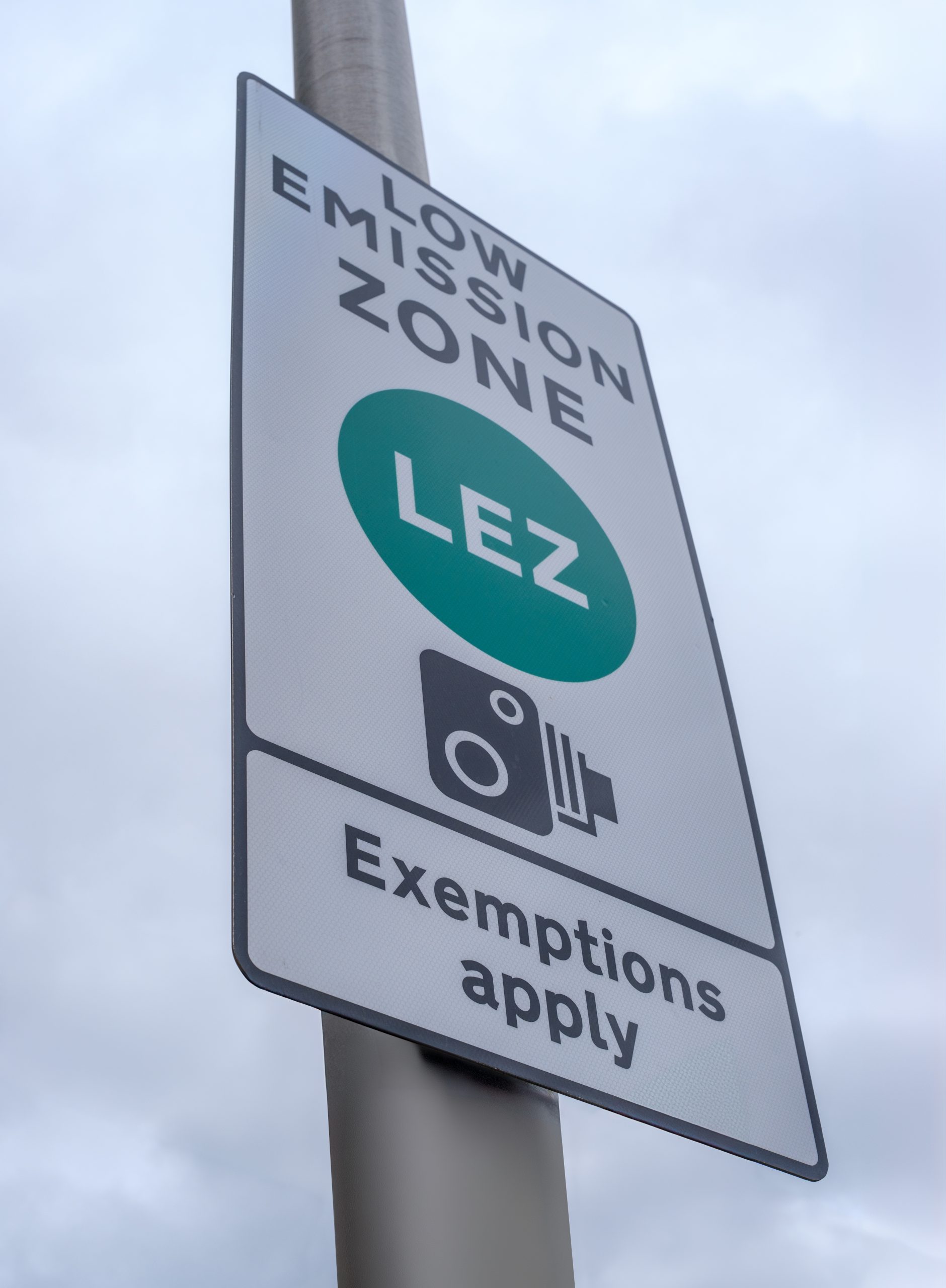
The UK is moving towards diesel‑free construction sites. This post explains how hydrogen fits alongside electrification, and where it can offer real programme, cost and air‑quality benefits.
The UK construction sector still relies heavily on diesel, consuming around 2.5 million tonnes of oil equivalent a year in machinery alone. That brings significant CO₂, NOx and particulate emissions, especially in and around towns and cities. Over the past few years three strands have started to converge: the Zero Diesel Sites Route Map, the UK’s NRMM decarbonisation work, and major schemes such as the Lower Thames Crossing setting explicit diesel‑reduction and carbon‑cut targets. Hydrogen construction sites are most useful where diesel plant emissions, noise and refuelling constraints are already creating cost or programme problems.
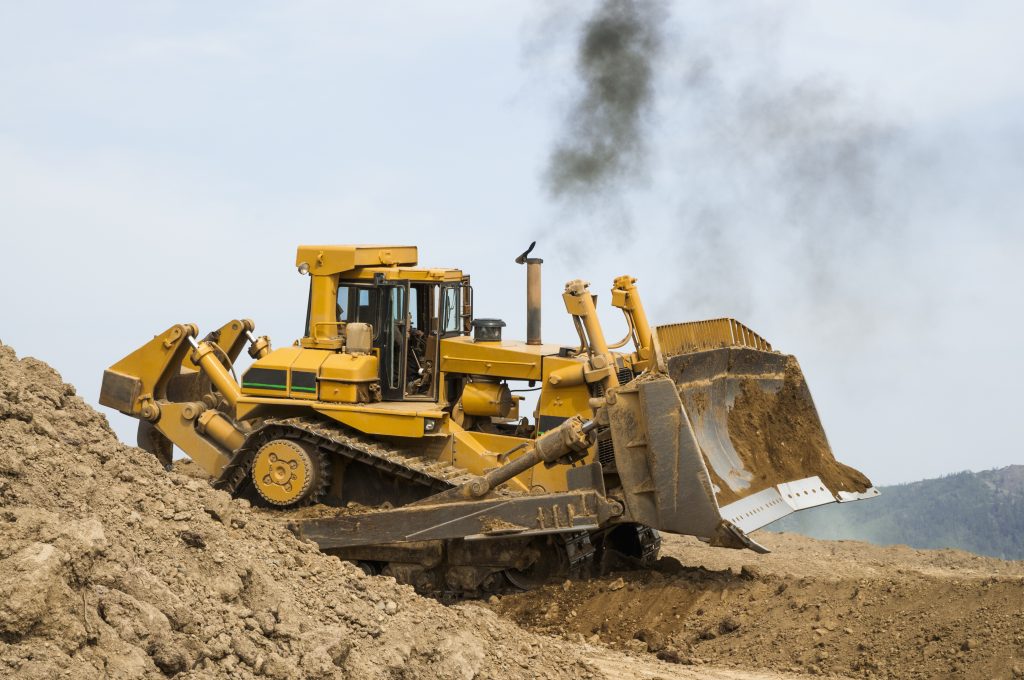
Taken together, they show that moving away from diesel is no longer a distant aspiration. It is a practical, staged transition that is already underway – and hydrogen is one of the key tools being tested at scale.
Launched in 2023, the Zero Diesel Sites Route Map is an industry‑led plan to remove up to 78% of diesel use from UK construction sites by 2035. It sets out a three‑phase approach:
Diesel‑powered non‑road mobile machinery (NRMM) is currently estimated to emit around 11.4 MtCO₂e per year, roughly equivalent to millions of passenger cars. Clients like HS2 have already demonstrated that running diesel‑free sites at scale is possible, with multiple projects now operating without on‑site diesel and feeding experience back into the Route Map process.
In parallel, government has been consulting on NRMM decarbonisation options, looking at technical feasibility, cost and deployment barriers for different technologies. Responses from across industry recognise that no single solution will cover every use case, but hydrogen appears repeatedly as a credible option for high‑duty, hard‑to‑electrify applications.
Compared with diesel, hydrogen fuel cell systems offer:
The Lower Thames Crossing has become a useful reference point here. The project has committed to significantly cutting diesel use on its sites and is trialling hydrogen‑powered plant and temporary power as part of a broader sustainability strategy. Its published targets include large CO₂ reductions relative to a conventional approach, with hydrogen playing a visible role in that mix.
The push away from diesel is driven by a combination of cost, health and climate factors:
Early deployments of hydrogen fuel cell generators and hydrogen‑powered plant on UK sites have reported very large reductions in on‑site NOx and particulate emissions compared with diesel, alongside CO₂ savings when green hydrogen is used.
For contractors, plant owners and clients, the direction of travel is clear: diesel’s role on UK construction sites will shrink over the next decade, driven by regulation, client expectations and air‑quality realities in urban areas. Hydrogen will not replace diesel everywhere, but it is already proving useful as part of a mixed toolkit alongside electrification, efficiency measures and process change.
The practical question is shifting from “if” to “where and how”: on which projects does hydrogen offer a better answer than extending legacy diesel, and what support infrastructure is needed to make that work reliably on the ground?
Zeromachine Works Studio focuses on exactly that kind of problem‑solving – modelling real programmes, costs and duty cycles, then mapping where hydrogen, hybrid or electrified plant genuinely improves outcomes rather than adding complexity for its own sake. If you are reviewing a fleet strategy or planning a low‑carbon site and want a grounded view, it’s the kind of challenge we like to get involved in early.
